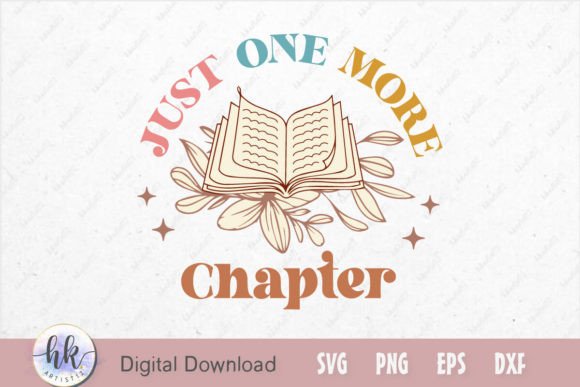
Just One More Chapter SVG Review
As a designer who has stitched thousands of designs on everything from delicate baby onesies to heavy-duty canvas tote bags, I have learned to look past the pretty preview image. When I first downloaded Just One More Chapter SVG, my immediate reaction was one of genuine warmth. It captures that specific, cozy feeling of a rainy Sunday with a fresh cup of coffee and an open book. But does it hold up when it leaves the digital screen and hits the needle plate? That is the question that matters most for anyone running a craft business or creating high-end handmade gifts.
The First Impression: Mood and Layout
This design falls squarely into the Crafts and Graphics categories, but its soul is in storytelling. The retro aesthetic suggests a vintage library vibe, which immediately sets expectations for the stitching style. Unlike modern, minimalist typography that relies on clean lines, this piece promises character. The layout feels balanced, likely utilizing a mix of satin stitch for the lettering to give it a polished edge and perhaps fill stitch or running stitch for any decorative elements surrounding the text.
When I visualize this as a finished product, it screams "personalized gift." It isn't just a logo; it is an invitation to read more. For a small shop owner, this kind of emotional connection is gold. It transforms a simple embroidered item into a keepsake. However, the retro style means we need to be careful about how much detail is packed into those curves. If the original file includes tiny serifs or intricate flourishes, they might get lost if the embroidery density isn't perfect.
Real-World Application: A Tote Bag Scenario
Let's imagine a real project. You are preparing for the holiday season, and you want to create a custom embroidered tote bag for your local bookstore or a boutique client. You choose Just One More Chapter SVG because it fits the theme perfectly. You select a sturdy cotton canvas for the bag. Here is where the practical judgment comes in.
The 6×6 inch sizing mentioned in the description is a sweet spot for tote bags. It allows enough space for the text to breathe without overwhelming the fabric. However, before you commit to the final batch, you must consider the thread colors. On a dark canvas, a standard white thread might look flat. You would need to use a variegated thread or a metallic shade to capture that retro shine. If you are making these for sale, the contrast between the thread and the fabric texture is what drives customer trust. A muddy-looking stitch on a dark background can make a handmade product feel cheap, whereas crisp, well-placed stitches elevate the perceived value.
Performance on Different Fabrics and Projects
This design is versatile, but it is not magic. It behaves differently depending on what you stitch it onto. For custom apparel like sweatshirts or hoodies, the stability of the knit fabric is crucial. You will need a high-quality cut-away stabilizer to prevent the design from puckering over time. If you are using this for baby embroidery, such as on a bib or a soft blanket, the density of the stitches becomes a safety and comfort factor. You do not want a stiff, scratchy patch on a newborn's skin. In this case, you might need to adjust the underlay settings or reduce the stitch count slightly to keep the fabric soft.
I also see potential for embroidered patches. The clean edges of the text make it ideal for a borderless patch that can be ironed onto denim jackets or backpacks. However, if you plan to sell these as part of your craft business, ensure the file includes a proper border or outline for trimming. Without it, the raw edges of the fabric might fray after the first wash.
Where to Use It Carefully
While Just One More Chapter SVG is a strong contender, there are specific scenarios where caution is required. Small hoop sizes, such as those found on home machines designed for monograms, might struggle if the design contains too many fine details. The letters could become distorted or merge together, ruining the legibility. Similarly, textured fabrics like bouclé or thick terry cloth can hide the intricacies of the design. The needle might skip stitches, or the design might sink into the pile, looking smaller than intended.
Stretchy fabrics present another challenge. If you attempt to embroider this on a jersey t-shirt without adequate stabilization, the tension of the stitches will cause the garment to warp. Curved surfaces, like caps, require a specialized cap frame and often a reduction in size to account for the curvature. A straight line on a computer screen looks different when wrapped around a curved hat brim. Finally, avoid using dense stitch areas on thin fabrics like silk or chiffon unless you are using a very light stabilizer and reducing the stitch length.
Visual Appeal and Customer Perception
In the world of Etsy sellers and online marketplaces, the visual presentation is half the battle. This design translates exceptionally well into printable mockups. Because of its clear typography and retro charm, it stands out in thumbnail images. Customers scanning through a feed are drawn to designs that evoke nostalgia. When they see Just One More Chapter SVG on a kitchen towel or a pillow cover, they instantly understand the sentiment. It signals quality and thoughtfulness.
For commercial embroidery projects, consistency is key. If you are producing a line of books-themed merchandise, this design provides a cohesive brand identity. It tells a story before the customer even reads the tag. However, remember that the digital file is just the starting point. The true value lies in the execution. Poor thread choices or rushed stitching can undermine the best design asset.
Practical Designer Notes for Success
Before you run a full production batch, follow these essential steps to ensure your finished product is flawless:
- Test on scrap fabric first: Always stitch a test swatch on the exact fabric you intend to use. This reveals issues with thread tension, color bleeding, or fabric distortion.
- Check thread color contrast: Ensure the thread stands out against the background. Test both light and dark backgrounds if you plan to offer variations.
- Review stitch density: High-density areas can cause fabric puckering. Adjust the density settings if the design feels too heavy for the material.
- Confirm hoop size: Verify that your machine's hoop can accommodate the 6×6 inch dimensions comfortably. If you are working on larger items, check if the design needs to be split.
- Inspect small details: Zoom in on the digital file to ensure no tiny parts are missing or disconnected. Missing pixels in the source file can lead to skipped stitches.
- Use proper stabilizer: Match the stabilizer type (cut-away, tear-away, or water-soluble) to the weight and stretch of your fabric.
- Check licensing: Before selling finished items, confirm the commercial usage rights. Some files allow personal use only, while others permit selling the final embroidered product.
Ultimately, Just One More Chapter SVG is more than just a file; it is a tool for creators who want to add meaning to their work. Whether you are making a holiday gift for a friend or building a small shop product line, this design offers a reliable foundation. It balances aesthetic appeal with practical usability, provided you respect the nuances of embroidery. By taking the time to test, stabilize, and refine, you can turn this digital graphic into a tangible masterpiece that customers will cherish.